Massive Mineral Discovery In Norway
Non-Renewable Resources
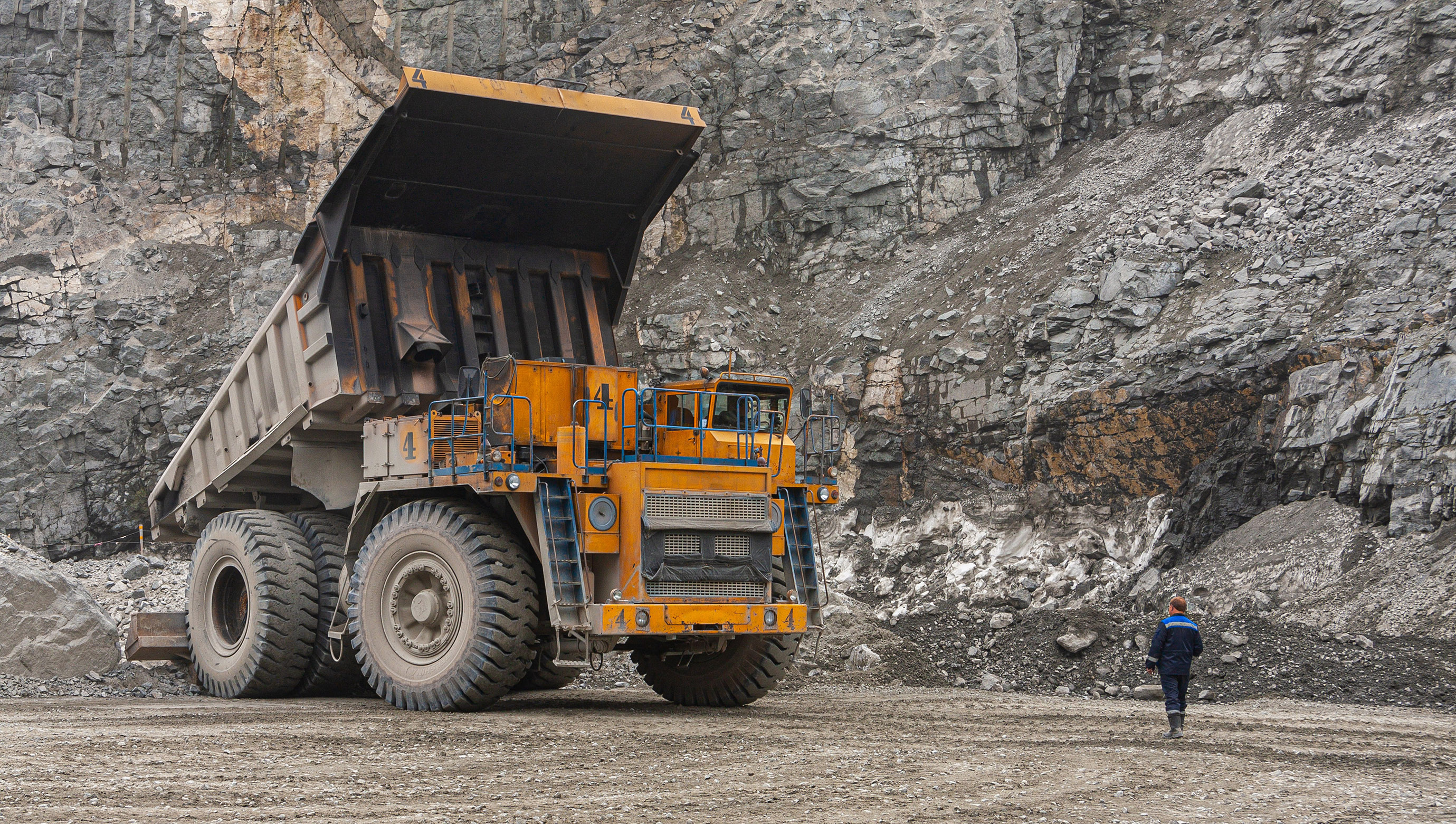
As mining explorations continue around the world to meet the global demand for non-renewable mineral resources, Norge Mining, recently reported the discovery of a large mineral deposit in Norway that could meet the worldwide ‘green’ energy demand for the next 100 years. Norge Mining Ltd. is an Anglo-Norwegian mineral exploration company, headquartered in London, UK. The discovery consists of a massive phosphate rock deposit in addition to other minerals such as vanadium and titanium, and the mining operation may become operational by 2028.
Phosphorus is not only a key component in the production of ‘green’ technologies such as solar panels and electric vehicle batteries, but is primarily used as a vital component essential to sustaining life for all living organisms and agriculture. Phosphorus is an essential plant nutrient and 95% of its production in the United States is used to make agriculture fertilizers (and animal food supplements), that are utilized to replace the phosphorus that plants remove from the soil, which provides strength to roots and stems, photosynthesis, formation of seeds and flowers and overall plant health.
As Farmers and ranchers continue to struggle with skyrocketing prices of fertilizer which were up over 300% in 2022, they are also met with major concerns regarding the increasing global demands, availability and delivery times. The fertilizer industry has reported investments to increase to over $100 billion to meet the growing food demands and the demand for phosphorus in the agricultural sector which could double by the year 2050. As reported by Shea Swenson on
ModernFarmer.com, “Global supplies of one of the main ingredients of fertilizer [phosphorus] are running low, but researchers believe that restoring wildlife populations could help address the shortage. A new study, published in Science of the Total Environment and conducted by researchers at Northern Arizona University, suggests that looking into wildlife might be the answer to the shortage of the vital mineral. ‘Animals are like a natural circulatory system for phosphorus’, said co-author Joe Roman conservation biologist and researcher at the University of Vermont. ‘They can move nutrients through their carcasses, urine and dung’. Restoring wildlife populations, according to the researchers, would address the shortage and ‘re-vitalize the neutral pump’ of phosphorus back from the ocean.”
Phosphorous is an essential mineral found in every cell of the human body (like calcium, sodium, magnesium, potassium chloride and sulfur) and essential for body functions in humans, and critical nutrient in the formation of DNA, cell membranes and cellular energy. It regulates such functions as heart rhythm, muscle contraction, nerve signals, and metabolism, and vital to maintaining healthy bones and teeth.
There are also global concerns about the growing demand for lithium-iron-phosphate batteries in the electric vehicle sector, which has recently become one of the forefront issues when it comes to production of these ‘green’ batteries; in addition to the demand for lithium which is another very limited and non-renewal mineral resource. Phosphorous is also used in the production of food applications and compounds used in detergents, pesticides, and nerve agents.